We call this U-shape trajectory ‘The Curve of Life’. Extensive research has shown the curve to be a function of psychological changes across our lifespans rather than demographic factors such as affluence or background².
As we age and gain more experience, we re-evaluate what’s important to us and place a greater emphasis on emotional goals (feeling valued, making a contribution, connecting with like-minded people) and less emphasis on acquisitional goals, such as promotions or status.
Why does optimism dip in midlife?
A key insight of our first Life100+ report centred on the strong relationship between enjoying a sense of control and feeling satisfied with life. Simply, our data showed that the more in control we feel, the more satisfied we tend to be.
We’ve found that this sense of control is highest among younger adults, particularly those aged 25-34 – a stage when optimism is high. But during the middle years of life, both life satisfaction and perceived control experience decline significantly, before climbing again from age 55 onwards¹.
This pattern is especially pronounced for the ‘sandwich generation’ (ages 45-64), who are often balancing multiple demands at once, including peak responsibilities at work, caring for both children and ageing parents, and managing their own changing health and priorities¹.
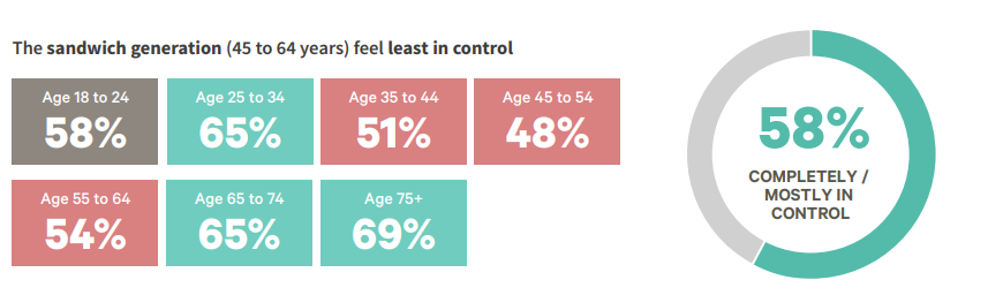
Fig 1: Feeling in control influences life satisfaction Base: All (3,280), 18-24 (177), 25-34 (599), 35-44 (509), 45-54 (489), 55-64 (522), 65-74 (539), 75+ (445); Completely in control (529), Mostly (1,396), Somewhat (808), Slightly (364), Not at all (183)
This decline in perceived control aligns closely with the Curve of Life, reflecting a stage where external pressures intensify while personal bandwidth may feel stretched. As priorities shift from status and progression to fulfilment and purpose, maintaining motivation and optimism can become more challenging.
Our research suggests that if employers can better support people through the critical mid-years, they can help them regain a sense of control and feel more upbeat about work.
Expert insights: practical steps to rebuild confidence
To help individuals and employers navigate the period, Dr Russ Denny, CPsychol and Mental Health Clinical Lead at Teladoc Heath UK, shares practical, evidence-based ways to support wellbeing and restore optimism.
How to restore optimism as an individual:
- Re-frame goals. Focus on meaning and impact, not just achievement. A shift from striving for promotion to educating others or looking for major projects can bring new purpose.
- Invest in health. Prioritise physical check-ups and the foundations of sleep and exercise.
- Prioritise mental health. Make time for rest and mindfulness or therapy if necessary. Evidence-based resources such as myStrength can counteract anxiety and enhance mood.
- Engage in lifelong learning. Upskilling or pursuing new hobbies keeps your mind active and opens up possibilities. Even a brief course or workshop online can enhance confidence.
- Build on your social connections. Strengthen relationships with family members, friends, or community organisations. Sound social relationships buffer against stress and enhance wellbeing.
How can employers re-engage employees?
Employers also play a critical role in retaining midlife employees. Retaining skilled professionals at this stage maintains valuable experience and institutional knowledge. Employers can help by:
- Discussing individual employee needs and where possible offer flexible work arrangements to support work-life balance.
- Creating opportunity for growth. Midlife employees welcome training, leadership training, or mentoring roles that leverage their experience. Also offer them opportunities to deliver training to other departments.
- Showing recognition and worth. Regular feedback and open appreciation support commitment and morale.
- Promote health and wellbeing. Support access to confidential advice, health screening, and mental health provision.
- Encourage open talk. Normalise conversations about career aspirations and wellbeing. Leaders sharing their own experiences can help break down stigma.
Right support at the right time
Employees covered by a Canada Life workplace protection policy have access to services such as WeCare, which offers one-on-one support for employees, from stress reduction to reconciling career and family demands. Routine health checks and expert recommendations dispel doubt and inspire confidence.
myStrength, offers personalised tools like mindfulness exercises and cognitive behavioural therapy strategies to help employees develop coping skills and stay hopeful through transition.
Key takeaways
Midlife may bring its own particular challenges, but it also presents an opportunity for renewal. The well-recognised U-shaped curve suggests that happiness tends to rise again, with most adults reporting greater fulfilment and a stronger sense of meaning in later years. With foresight, access to the right resources, and open dialogue, both employers and employees can help make midlife one of the most rewarding stages of life.
- Canada Life, Life100+ Report: Building longevity-ready workplaces in the UK
- Blanchflower, D. (2020). ‘Is Happiness U-shaped Everywhere? Age and Subjective Well-being in 132 Countries.’ NBER Working Papers 26641, National Bureau of Economic Research, Inc.


